

Linda Limehouse
AI-Certified Realtor® · Meybohm Real Estate
Aiken SC · North Augusta SC · Augusta GA
Historic District Rules: What Aiken's Downtown Historic Buyers Need to Know
Aiken SC Historic District Historic Homes Buyers Preservation Downtown Aiken Restoration CSRA
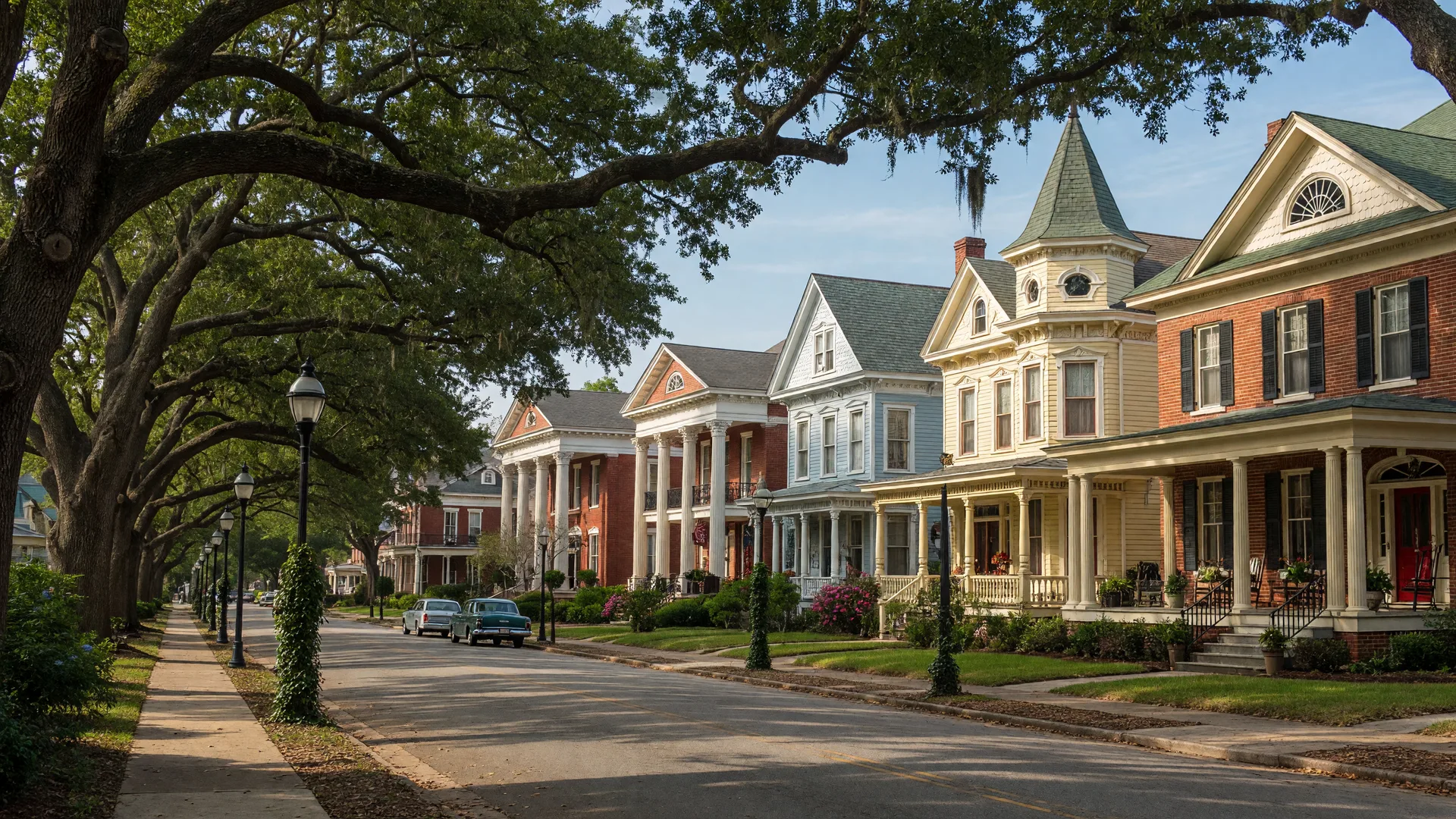
Aiken's historic downtown is one of the most charming places in the CSRA — tree-lined streets, grand old homes, and a character you can't replicate. But buying a home in a historic district comes with its own set of rules. Here is what you should know before you fall in love with a historic property.
Key Takeaways
- ✓ Historic districts protect the architectural character of Aiken's most iconic neighborhoods.
- ✓ Exterior changes to the front of a historic home typically need review and approval before work begins.
- ✓ Interior renovations are usually less regulated, but always check your specific district's guidelines.
- ✓ The rules preserve property values and community character, but they come with more oversight.
- ✓ Work with a local professional who understands historic properties and the associated regulations.
Table of Contents
What Is a Historic District?
A historic district is an area recognized for its architectural and cultural significance. Aiken has designated historic districts that protect the character of the neighborhood — areas where the local architecture, street patterns, and historical importance are preserved for future generations.
These districts are governed by rules that determine what owners can and cannot do to the exterior of their homes. The goal is to maintain the look and feel of the area for everyone who lives there and for the community as a whole.
If you are looking at a home in Aiken's historic downtown area, it likely falls within one of these districts. That means the home's exterior appearance is subject to oversight from a preservation board or historic district commission.
Why Historic Districts Have Rules
At first glance, historic district rules can feel restrictive. But they exist for good reasons that benefit both homeowners and the broader community.
The rules protect the architectural integrity of the neighborhood. When every home on a historic street follows basic preservation guidelines, the character that drew people to the area in the first place remains intact.
They also help maintain property values. A neighborhood that preserves its unique character tends to hold its value well over time. Buyers who are drawn to historic districts are often willing to pay a premium for the charm and authenticity that comes with a well-preserved historic home.
And they keep changes consistent with the period and style of the homes. Without rules, individual changes made over time could gradually erode the very charm that makes the area special. A vinyl window here, a different paint color there — over the years, the character of the district would fade.
What the Rules Typically Cover
While rules vary from one historic district to another, there are common areas that most preservation guidelines address.
Exterior changes to the front of the home often require review and approval. This can include siding, windows, doors, rooflines, paint colors, and porches. Any alteration that affects the public-facing appearance of the property is likely to fall under the district's guidelines.
Additions and major alterations usually need approval before work begins. If you want to add a new wing, build a deck, or significantly change the footprint of the home, you will need to submit plans to the preservation board for review.
Demolition of historic structures is generally restricted. In most historic districts, you cannot simply tear down a historic home or significant outbuilding without going through a formal process.
Interior changes are usually less regulated than exterior work. Historic district rules primarily focus on what can be seen from the street. Kitchens, bathrooms, and interior layouts can typically be updated with fewer restrictions.
Specific rules depend on the district and the local preservation board. Every district is different, and the best approach is to read the actual guidelines before you make any plans.
How to Know the Rules for a Specific Home
Before you buy a home in a historic district, take the time to learn what is and is not allowed. Here is how to find the information you need.
Start by asking the local preservation board or historic district commission for the guidelines that apply to the property. They can tell you which specific rules govern changes to the home.
Request any preservation easements or deed restrictions that may be on the property. These legal documents run with the land and can impose additional requirements beyond the district's general rules.
An experienced local agent can help you understand what is allowed. If you are working with someone who knows historic properties in Aiken, they can walk you through the process and point you to the right people.
Review the rules before you make an offer so there are no surprises. The last thing you want is to close on a home and discover that your plans for the property are not permitted under the district's guidelines.
Is It Worth It?
Historic homes offer charm, character, and often unique craftsmanship you cannot find in new builds. Original woodwork, period details, solid construction, and architectural features that are rare in modern homes are part of what makes historic properties special.
Historic districts can hold their value well and create a strong sense of community. Neighbors in historic districts are often deeply invested in preserving the area, which fosters a unique camaraderie and shared purpose.
In exchange, you accept more oversight on exterior changes. If you own a historic home, you cannot simply decide to replace the windows, change the siding, or paint the exterior a bold new color without approval.
For many buyers, the character and community are well worth the rules. The key is knowing what you are signing up for and making an informed decision based on your priorities as a homeowner.
Questions to Ask Before Buying
If you are considering a home in Aiken's historic district, here are the questions you should be asking before you make an offer.
What, exactly, is regulated on this property? Some districts regulate everything visible from the street. Others focus on specific features. Know the scope of the rules for this particular home.
Are there pending or completed renovation approvals I should know about? If the seller has submitted plans or received approvals for changes, those may transfer with the property.
Are there any preservation easements or restrictions on the deed? These can add another layer of rules beyond the district's standard guidelines.
What can I change without approval, and what needs review? Understanding the threshold for approval helps you plan future projects realistically.
Are there tax incentives or credits for rehabilitating a historic home? Some historic districts offer financial incentives for preservation work. Buyers should verify the specific rules and any preservation incentives with the City of Aiken's historic preservation office or a qualified professional, since rules and incentives can vary.
Who do I contact when I want to make exterior changes? Know which board or commission you need to work with before you need them.
The Bottom Line
Buying in Aiken's historic district means embracing both the charm and the rules. The historic character that makes these neighborhoods so appealing is protected for a reason, and that protection comes with responsibilities for homeowners.
The more you understand the guidelines up front, the smoother your experience. Do not wait until after you close to learn what you can and cannot do with your new home.
Work with a local professional who knows historic properties. An experienced agent who has handled transactions in Aiken's historic district can help you navigate the process and connect you with the right resources.
With the right expectations, a historic Aiken home can be a wonderful place to put down roots. The combination of architectural beauty, community character, and lasting value makes it a choice that many homeowners never regret.
Dreaming of a Historic Aiken Home?
Fill out the form below and I will help you find one that fits your lifestyle — rules and all.
Linda Limehouse
First AI-Certified Realtor® | Meybohm Real Estate
Licensed in SC & GA
Serving Aiken, North Augusta, Augusta, and the greater CSRA.
Reviewed by Linda Limehouse, REALTOR® — Licensed in South Carolina and Georgia — More than 20 years of CSRA real estate experience.