

Linda Limehouse
AI-Certified Realtor® · Meybohm Real Estate
Aiken SC · North Augusta SC · Augusta GA
Understanding HOAs and Covenants in the CSRA: What Buyers and Homeowners Should Know
Aiken SC North Augusta SC Augusta GA CSRA Buyers HOAs Homeowners
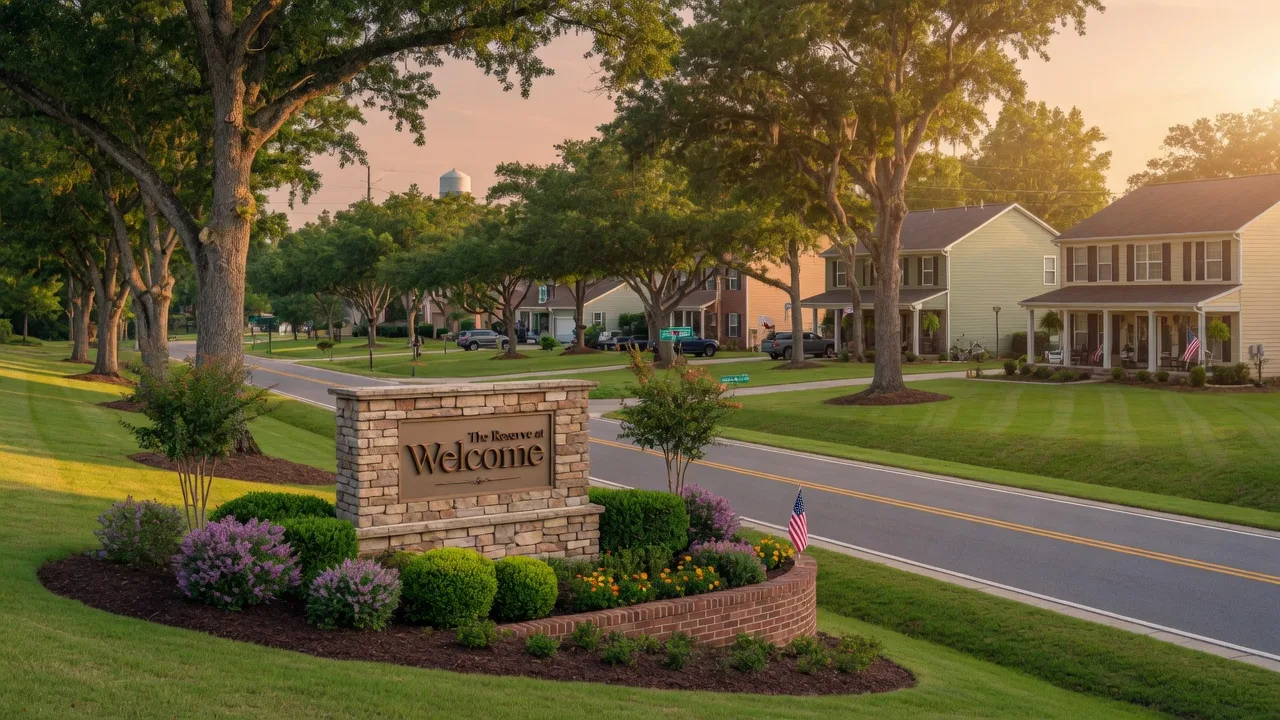
If you are shopping for a home in Aiken SC, North Augusta SC, or Augusta GA, you will likely come across homes in communities governed by a homeowners association, or HOA. These organizations come with fees, rules, and covenants that can shape your daily life as much as the home itself.
Understanding what HOAs do, what they cost, and what the covenants require is an important part of making a confident home-buying decision. In this guide, I will walk through what buyers in the CSRA should know about HOAs, CC&Rs, and deed restrictions before signing on the dotted line.
Whether you are a first-time buyer, relocating from out of state, or a current homeowner thinking about your next move, this information can help you compare your options more clearly.
What Is an HOA and Why Does It Matter?
A homeowners association is a governing body that manages a residential community. It collects fees from homeowners and uses that money to maintain common areas, enforce community rules, and manage shared amenities. In the CSRA, HOAs are common in newer subdivisions, planned communities, and some established neighborhoods.
When you buy a home in an HOA community, you automatically become a member. That means you agree to follow the association's covenants, conditions, and restrictions (CC&Rs) and pay the required fees. These rules cover everything from what color you can paint your front door to whether you can park an RV in your driveway.
For some buyers, an HOA provides peace of mind and a well-maintained neighborhood. For others, the restrictions can feel limiting. The key is knowing what you are signing up for before you make an offer.
What Do HOA Fees Cover in the CSRA?
HOA fees in the CSRA vary widely depending on the community and what amenities it offers. In some neighborhoods, the fee is modest — perhaps a few hundred dollars a year — and covers basic maintenance of common areas like entrance landscaping and street lighting.
In communities with pools, clubhouses, tennis courts, fitness centers, or gated access, monthly fees can run higher. Some of the newer developments in North Augusta and Aiken offer resort-style amenities, and those fees reflect the level of service and upkeep those amenities require.
Before you buy, ask your agent for the full HOA financial documents. You want to see that the association has healthy reserves, a reasonable budget, and no history of special assessments — unexpected fees that can be charged to homeowners when the HOA does not have enough money for a major repair.
Understanding Covenants, Conditions, and Restrictions (CC&Rs)
The CC&Rs are the rules that govern your community. They can cover a wide range of topics, including:
- ✓ Exterior paint colors and materials — many communities have an approved palette to maintain a consistent look.
- ✓ Landscaping standards — requirements for lawn maintenance, fencing, and hardscaping.
- ✓ Parking and storage — restrictions on boats, RVs, trailers, and commercial vehicles.
- ✓ Rental restrictions — some communities limit short-term rentals or require minimum lease terms.
- ✓ Animal restrictions — breed and number limits for pets, and prohibitions on livestock or farm animals.
- ✓ Architectural review — approval requirements for additions, sheds, decks, fences, or solar panels.
Some buyers appreciate these rules because they protect property values and ensure a consistent neighborhood appearance. Others find them restrictive. The important thing is to read the CC&Rs before you commit — not after you close.
HOA vs. No HOA: Which Is Right for You in the CSRA?
The CSRA offers a mix of both HOA-governed communities and neighborhoods without any formal association. Your choice depends on your lifestyle and priorities.
HOA communities tend to have more uniform curb appeal, maintained common areas, and amenities like pools, parks, and walking trails. They can be a strong fit for buyers who want a predictable neighborhood experience and are willing to follow the rules and pay the fees.
Neighborhoods without HOAs offer more freedom. You can paint your house any color, park your boat in the driveway, and build a shed without asking for approval. But that freedom comes with less predictability — your neighbor's choices may not match your own.
Neither option is better than the other. The right choice depends on what matters most to you. I always encourage buyers to drive through the neighborhood at different times of day, talk to current residents if possible, and read the full governing documents before making a decision.
Special Considerations for Equestrian and Acreage Buyers
If you are looking at horse properties or acreage in Aiken SC, HOA restrictions are especially important. Most standard subdivisions do not allow horses, livestock, or farm animals, so you need to target areas that are zoned or covenanted for equestrian use.
Some equestrian-friendly communities in the Aiken area have their own CC&Rs that actually protect the horse lifestyle — requiring minimum lot sizes, specifying fencing standards, and preserving trail access. These rules can be a benefit because they keep the neighborhood horse-friendly over the long term.
On the other hand, if you are buying raw acreage outside any HOA, you may have more freedom but fewer guarantees about how neighboring properties will be used. A local agent who understands equestrian properties and zoning in Aiken SC can help you evaluate the right fit.
Questions to Ask Before Buying in an HOA Community
Before you make an offer on a home in an HOA community, ask your agent to help you get answers to these questions:
- ✓ What are the monthly or annual fees? Make sure the fee fits your budget and understand what it covers.
- ✓ Are there pending special assessments? Check the HOA's financial statements for upcoming major expenses.
- ✓ What are the most common violations? This tells you what the HOA actually enforces vs. what is on paper.
- ✓ Can I rent out my home? If you ever plan to use the property as a rental, check the rental restrictions first.
- ✓ Are there any pending lawsuits? Litigation can affect fees and the overall health of the community.
- ✓ Is the HOA professionally managed? A professional management company often means more consistent enforcement and better record-keeping.
Linda's Local Insight
In my 20-plus years working with buyers across the CSRA, I have seen both sides of the HOA question. Some of my clients have fallen in love with a neighborhood pool and maintained landscaping, only to realize later that the rules on parking or fencing do not match how they live. Others have chosen a home without an HOA, only to watch a neighbor's unkempt property affect their home value.
My advice is always the same: do not guess. Read the documents. Ask the questions. Drive through the neighborhood at different times. And if something does not feel right, trust your instincts. A good real estate agent can help you interpret the CC&Rs and flag potential issues before you commit.
As an AI-Certified Realtor with Meybohm Real Estate, I use market data and neighborhood analysis to help my clients compare communities with and without HOAs, so they can make a confident choice that fits their lifestyle and their budget.
Your Takeaway
HOAs and covenants are a significant part of the home-buying decision in the CSRA, especially in Aiken, North Augusta, and Augusta where planned communities are common. Whether you prefer the structure and amenities of an HOA or the freedom of a neighborhood without one, the important thing is to know what you are choosing before you buy.
The right home for you is the one that matches your lifestyle, your budget, and your comfort level with rules and fees. With the right information and a local agent who knows the communities, you can make that decision with confidence.
Thinking About Buying a Home in the CSRA?
Whether you are looking at an HOA community or a neighborhood without restrictions, I can help you understand the differences and find the right fit. Reach out anytime for a honest conversation about your home search.
Linda Limehouse
First AI-Certified Realtor® | Meybohm Real Estate
Licensed in SC & GA
Serving Aiken, North Augusta, Augusta, and the greater CSRA.
Frequently Asked Questions
What is the difference between an HOA and a POA in the CSRA?
A homeowners association (HOA) typically governs a subdivision or planned community, while a property owners association (POA) often covers a larger area with shared amenities like a golf course, equestrian center, or common green space. Both enforce deed restrictions and collect fees, but the scope and rules vary by community.
Are HOA fees common in North Augusta SC and Aiken SC?
Yes, many newer subdivisions and planned communities in North Augusta and Aiken have HOA fees that range from modest annual dues for basic maintenance to higher monthly fees that cover amenities like pools, clubhouses, landscaping, and gate access. Older neighborhoods and rural acreage properties typically do not have HOAs.
Can I negotiate HOA fees or change the rules?
HOA fees are set by the association and are not negotiable on a per-home basis. You can get involved in the HOA board or attend meetings to have a voice in future rule changes and budget decisions. Before buying, review the financial health of the HOA to make sure fees are well-managed.
What happens if I violate a covenant on my property?
Most HOAs follow a progressive enforcement process starting with a warning letter, followed by fines, and in some cases a lien on the property. The key is to read the full CC&R document before closing so you know what is expected. If you are unsure about a specific rule, ask your Realtor or an attorney.
Do HOAs in the CSRA have restrictions on horses or farm animals?
It depends on the community. Most standard subdivisions with HOAs do not allow horses, livestock, or farm animals. If you want acreage for horses, look for properties in equestrian-friendly communities, rural areas without HOA restrictions, or developments that specifically allow horses within their covenants.