

Linda Limehouse
AI-Certified Realtor® · Meybohm Real Estate
Aiken SC · North Augusta SC · Augusta GA
What to Look for in an Aiken Horse Property Before You Buy
Aiken SC Horse Properties Equestrian Buying Acreage Buyer Tips Luxury Homes
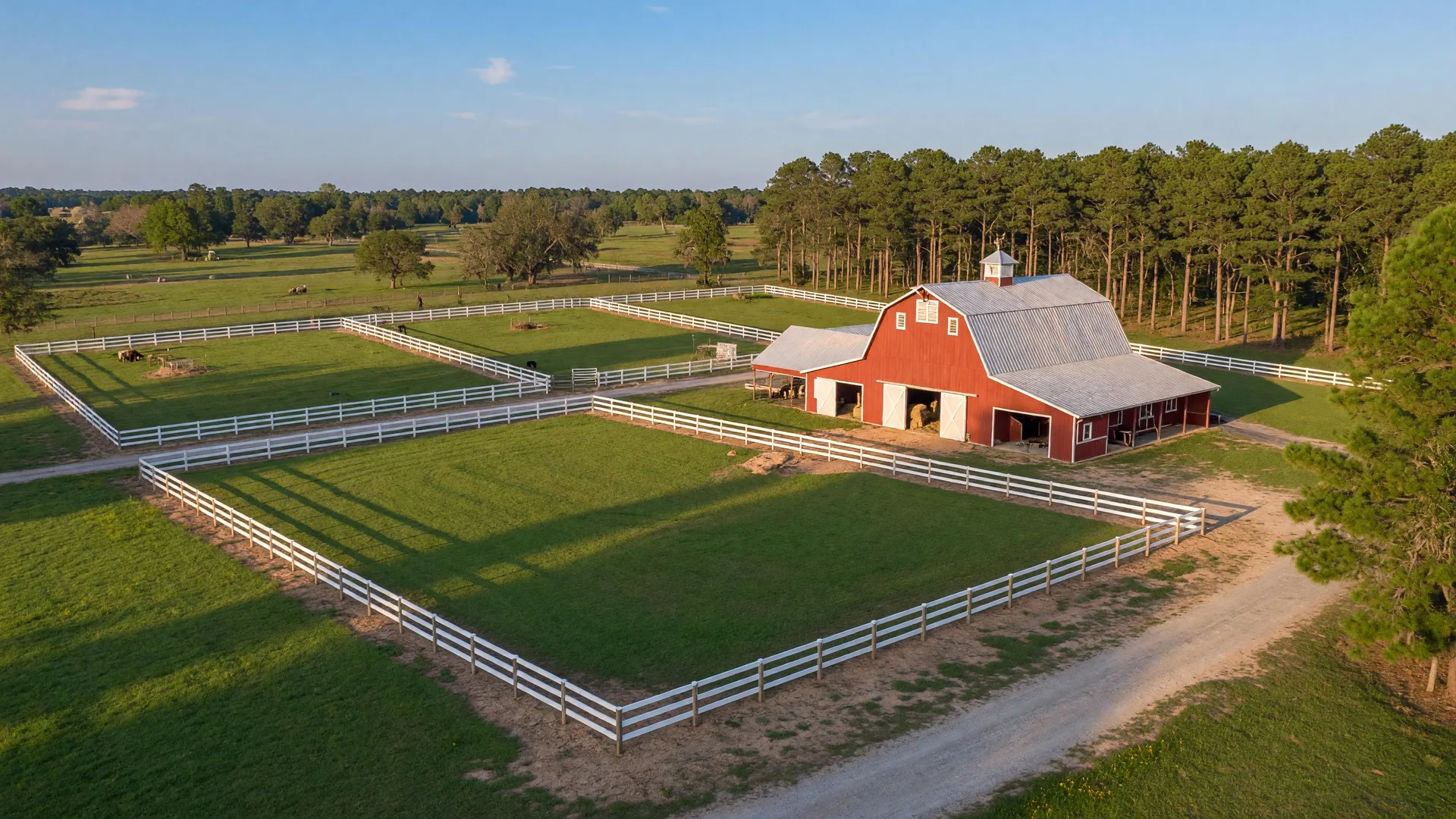
If you are shopping for horse property in Aiken SC, you already know that this is not like buying a regular home. The house matters, but so does the land, the barn, the fencing, the water system, and the zoning. Every one of those details affects how well the property works for you and your horses — and every one of them can cost you if you overlook it.
Aiken is one of the most established equestrian communities in the Southeast. People move here from all over the country for the trails, the riding culture, and the deep network of horse professionals. But not every property with acreage and a barn is ready for horses. This guide walks you through the specific things to evaluate before you make an offer — so you can buy with confidence and avoid the mistakes that trip up even experienced buyers.
Key Takeaways
- ✓ A proper horse property inspection in Aiken SC goes well beyond the house — evaluate the barn, fencing, pastures, water access, drainage, and zoning before you commit.
- ✓ Aiken's sandy loam soil is naturally well-drained and excellent for horses, but not every parcel has ideal conditions — walk the land and check for low spots that collect water.
- ✓ Proximity to Hitchcock Woods and direct trail access can significantly affect both your lifestyle and the long-term value of your investment.
- ✓ Zoning restrictions and deed covenants in Aiken County can limit how many horses you keep — verify the rules before you make an offer.
- ✓ Bringing a trusted equestrian professional to walk the property with you can reveal issues that a standard home inspection will miss.
Table of Contents
- Land Quality, Soil, and Drainage
- Barn Condition and Layout
- Fencing: Safety, Condition, and Cost
- Water Access and Well Capacity
- Zoning Restrictions and Deed Covenants
- Hitchcock Woods and Trail Access
- Common Mistakes Horse Property Buyers Make
- What This Means for Buyers
- What This Means for Sellers
- Linda's Local Insight
- Client-Friendly Takeaway
- FAQs
Land Quality, Soil, and Drainage
The land is the foundation of any Aiken SC equestrian property, and it deserves more attention than most buyers realize. Aiken is known for its sandy loam soil, which is naturally well-drained and gentle on horses' hooves and legs. That is one of the reasons this area has been a destination for horse owners for over a century. But not every parcel is created equal.
When you are walking a property, pay attention to the low-lying areas. Do they collect standing water after rain? Are there slopes that show signs of erosion? Does the pasture feel firm underfoot, or does it feel soggy and soft? These are clues about how the land will perform in different seasons — especially during South Carolina's hot, wet summers.
A general guideline for homes with acreage in Aiken SC is two acres per horse for pasture-based keeping. So a property with three to five horses typically needs at least six to ten acres. But acreage alone is not the whole picture. Consider how much of the land is usable pasture versus wooded or low-lying, and think about whether the terrain works for your horses, your daily routine, and any future plans for arenas or additional paddocks.
Barn Condition and Layout
The barn is where you will spend a significant portion of your time, and its condition can make or break the deal. When you are touring a horse property in Aiken SC, take your time in the barn. Look up at the roof — leaks and poor ventilation are two of the most common problems in older structures. Check the stall size, ideally 12 by 12 feet for most horses, and make sure the layout allows for safe movement of horses and handlers.
A functional barn should include dedicated spaces for tack storage, feed storage, and a grooming or wash area. Good lighting and cross-ventilation are important for both horse health and daily convenience. If the barn has hot and cold water at a wash rack, that is a significant plus — not every property offers it.
Pay attention to the flooring in the aisle and stalls. Rubber matting over well-drained footing is ideal. Concrete aisles can be slippery if they are not properly textured. And if you are looking at an older barn, ask about the age of the roof, the electrical system, and any recent repairs. These costs add up quickly if they need attention, and they should factor into your offer.
Fencing: Safety, Condition, and Cost
Fencing is one of the most important — and most expensive — elements of any horse property inspection in Aiken SC. Safe, well-maintained fencing protects your horses and defines your property boundaries. In Aiken, you will see a mix of fencing types: wooden post-and-rail, vinyl, woven wire, electric tape, and high-tensile wire.
Wooden post-and-rail fencing is the classic look in Aiken horse country and is generally safe for horses when properly maintained. Vinyl fencing offers a similar appearance with less upkeep. Electric tape or rope fencing is a more affordable option that works well for temporary or rotational paddock setups, though it requires consistent maintenance.
When evaluating fencing, check for loose boards, leaning posts, broken rails, and gaps where a horse could get through or get injured. Replacing fencing is a significant expense — new post-and-rail fencing can cost anywhere from $8 to $20 per linear foot depending on materials and terrain — so factor that into your offer if the existing fencing needs work.
Water Access and Well Capacity
Reliable water access is non-negotiable for horse property. Horses drink a lot — typically 5 to 15 gallons per day depending on the weather and activity level — and your property needs to deliver clean, consistent water to every paddock and stall.
Many Aiken SC barns and pastures rely on private wells. If the property has a well, ask about the well depth, flow rate, and water quality. A well that produces limited water during dry spells could create real problems during the hot South Carolina summer. Municipal water is another option in some areas and provides more predictable availability, though it comes with a monthly cost.
Check whether water lines already run to the barn and pastures, or if you will need to install them. Having frost-free hydrants in each paddock is a huge convenience. And if the property has irrigation capabilities for pastures, that is a valuable feature worth understanding in detail before you buy.
Zoning Restrictions and Deed Covenants
Aiken County has zoning regulations that govern how land can be used, including rules about keeping livestock like horses. The number of horses you can keep on a property is often tied to the total acreage, and there may be setback requirements for barns, fences, and other structures relative to property lines.
Some properties may also fall under homeowners association rules or deed restrictions that add another layer of requirements. Certain communities may restrict the types of fencing allowed, limit the number of outbuildings, or require specific maintenance standards.
Before you make an offer on any horse property in Aiken, verify that the zoning allows for the number and type of horses you plan to keep. This is one of those details that can derail a deal if it is not addressed early, and it is especially important for relocating buyers who may not be familiar with South Carolina county zoning processes.
Hitchcock Woods and Trail Access
If trail riding is part of your lifestyle, Hitchcock Woods should be on your radar. This is one of the largest urban forests in the United States — over 2,100 acres of protected trails, woodlands, and open riding spaces maintained by the Hitchcock Woods Foundation. And it is completely open to horseback riding.
Some Aiken horse properties offer direct trail access from your own land into Hitchcock Woods, which is a rare and genuinely valuable feature. These properties tend to command premium prices, but for riders who want daily trail access without any logistics, the convenience is unmatched. Even properties not directly adjacent to the Woods often allow you to ride or trailer to a nearby access point within minutes.
When you are shopping, ask about the property's proximity to Hitchcock Woods and whether any trail easements or access points exist. This is one of those details that can significantly affect both your daily lifestyle and the long-term value of your investment.
Common Mistakes Horse Property Buyers Make
Buying horse property involves more variables than a standard home purchase. Here are some of the most common mistakes I see buyers make — and how to avoid them.
Skipping the Land and Barn Evaluation
A standard home inspection does not typically cover barns, fencing, or land in detail. You need a separate evaluation that looks at the barn structure, the condition of the fencing, the quality of the pastures, and any drainage or land issues. Bringing an equine veterinarian, barn manager, or experienced horse property inspector to walk the property with you can save you from costly surprises after closing.
Underestimating Maintenance Costs
Fencing needs regular maintenance. Barns need roofs replaced, stalls maintained, and electrical systems updated. Pastures need mowing, seeding, and weed control. These costs are real and ongoing. Before making an offer, get a realistic picture of what it will cost to maintain the property at the level you want — and build that into your budget.
Buying Based on the House Alone
It is easy to fall in love with a beautiful home and overlook the condition of the horse facilities. But when you are buying horse property, the house is only part of the equation. A gorgeous home with a poorly designed barn, inadequate fencing, or bad pasture drainage can turn into a daily frustration. Evaluate the entire property — house, barn, land, and infrastructure — as a complete package.
Not Visiting in Different Seasons
A property can look beautiful in spring when everything is green. But what does it look like after a heavy rain in July? How does the pasture hold up during a dry spell? If possible, visit the property more than once and at different times of year. It gives you a much more honest picture of how the land performs.
Not Talking to Neighbors
One of the best things you can do when evaluating horse property is talk to the neighbors — especially the ones who keep horses. Ask about the community, the trail access, any issues with the land, and their experience with local services. Neighbors are often the most honest source of information about what it is really like to live on a particular property.
What This Means for Buyers
If you are a buyer looking at horse property in Aiken SC, here is the practical bottom line:
- Take your time. Horse property is a bigger investment than a standard home, and the details matter. Do not rush the process.
- Visit properties in person. Photos and listings can only tell you so much. You need to walk the land, see the barn, and get a feel for the property.
- Bring a trusted professional. An equine veterinarian, barn manager, or experienced horse person can spot things you might miss.
- Understand the full cost of ownership. Beyond the purchase price, budget for maintenance, property taxes, insurance, fencing upkeep, and any improvements you want to make.
- Think long-term. Does the property have room to grow? Can you add a barn, an arena, or additional paddocks down the road?
- Work with an agent who understands horse properties. Not every real estate agent knows what to look for in a barn, a pasture, or a fencing system. You need someone with local equestrian knowledge on your side.
What This Means for Sellers
If you are selling horse property in the Aiken area, the presentation of your barn and land matters just as much as the presentation of your house. Horse property buyers are a specialized audience, and they notice the details.
- Clean up pastures and paddocks. Mow the grass, remove debris, and make sure the land looks well cared for.
- Repair fencing before listing. New buyers will walk the fence line. Loose boards and leaning posts raise red flags.
- Tidy the barn. A clean, organized barn signals that the property has been maintained. Remove clutter, check lighting, and make sure the stalls are clean.
- Highlight special features. If your property has Hitchcock Woods proximity, trail access, recent barn upgrades, or a new water system, make sure those features are front and center in your marketing.
- Price it correctly. Horse property pricing requires an understanding of the equestrian market, not just the residential market. Work with an agent who knows how to value barns, land, and infrastructure alongside the home.
Linda's Local Insight
I have been helping buyers and sellers in the Aiken area for more than 20 years, and I have worked with many families who relocated specifically for the horse lifestyle. One thing I always tell my clients is that the right horse property is about more than just the house — it is about the land, the facilities, and the community around you.
Aiken is not one-size-fits-all. The right property depends on your number of horses, your discipline, your daily routine, and how much time you want to spend on maintenance versus riding. Some buyers need direct Hitchcock Woods access. Others want a simple setup with good pasture and room to grow. Some are relocating from out of state and need guidance on everything from zoning to well capacity to local boarding options while they settle in.
As an AI-Certified Realtor® with Meybohm Real Estate, I use every tool available to help you evaluate options — market data, property comparisons, and deep local knowledge of the equestrian community. Whether you are buying your first horse property or relocating from across the country, I am here to guide you through the process with honesty and care.
Client-Friendly Takeaway
Buying horse property in Aiken SC is an exciting step, and it is one that benefits from careful planning and the right guidance. Take the time to evaluate the land, the barn, the fencing, and the water access — not just the house. Understand your zoning restrictions, think about your long-term plans, and bring trusted professionals into the process.
Aiken offers something that very few communities in the country can match: a deep, authentic equestrian lifestyle with world-class trails, year-round riding, and a community that genuinely welcomes horse people. The right property is out there, and the right guidance can help you find it with confidence.
Related Reading
- → Buying Horse Property in Aiken SC: A Relocation Buyer's Guide
- → Buying Equestrian Properties in Aiken, SC: A 2026 Guide
- → Living in Aiken SC: Horse Country Lifestyle Guide
- → Best Neighborhoods in Aiken SC: 2026 Guide
- → Relocation Guide: Moving to Aiken, North Augusta & Augusta
- → Buyer Consultation
Ready to Find the Right Horse Property in Aiken SC?
If you are thinking about buying horse property in Aiken SC and want guidance from someone who knows the equestrian community here, I would love to help. I can walk you through what to look for, show you the best options, and make sure you find a property that works for you and your horses.
Linda Limehouse
First AI-Certified Realtor® | Meybohm Real Estate
Licensed in SC & GA
Serving Aiken, North Augusta, Augusta, and the greater CSRA.
Frequently Asked Questions
What is the most important thing to look for when buying horse property in Aiken SC?
While every buyer has different priorities, the most critical factors are land quality and drainage, barn condition, safe fencing, reliable water access, and proper zoning for the number of horses you plan to keep. A property that looks beautiful on the surface can have hidden issues underground — poor drainage, inadequate well capacity, or zoning restrictions that limit your use. Walking the property carefully, bringing a trusted equestrian professional, and verifying zoning before you make an offer can save you from costly surprises after closing.
How many acres do I need for horses in Aiken SC?
A common guideline is two acres per horse for pasture-based keeping, though the right amount depends on your management style, number of horses, and whether you want room for a barn, arena, or future expansion. Many Aiken horse property buyers find that 5 to 10 acres works well for a small operation with two to four horses. Buyers with larger herds, training facilities, or competition needs often look for 10 acres or more.
What should I check in a barn before buying horse property?
Inspect the roof for leaks, check ventilation and airflow, verify stall sizes (12 by 12 feet is standard for most horses), and look at the flooring in aisles and stalls. Assess electrical systems, water lines, and whether the barn has dedicated spaces for tack, feed, and grooming. Ask about the age of the roof and any recent repairs. A structural evaluation by a qualified professional is always a good investment.
Are there zoning restrictions for horses in Aiken County SC?
Yes. Aiken County has zoning ordinances that regulate livestock, including horses, on residential and agricultural properties. The number of horses you can keep is often tied to total acreage, and there may be setback requirements for barns and fencing relative to property lines. Some neighborhoods or HOA communities add additional restrictions. Always verify zoning and deed restrictions before purchasing.
Does proximity to Hitchcock Woods affect horse property value in Aiken SC?
Yes, significantly. Properties with direct trail access into Hitchcock Woods — one of the largest urban forests in the country with over 2,100 acres of equestrian trails — command premium prices. Even properties near a Woods access point benefit from the convenience and lifestyle appeal. If trail access matters to you, ask about easements, proximity, and how the property connects to the trail system.
Linda Limehouse | First AI-Certified Realtor®
Meybohm Real Estate · Aiken, SC
803-278-1800