

Linda Limehouse
AI-Certified Realtor® · Meybohm Real Estate
Aiken SC · North Augusta SC · Augusta GA
Well & Septic 101: What Aiken Acreage Buyers Should Know
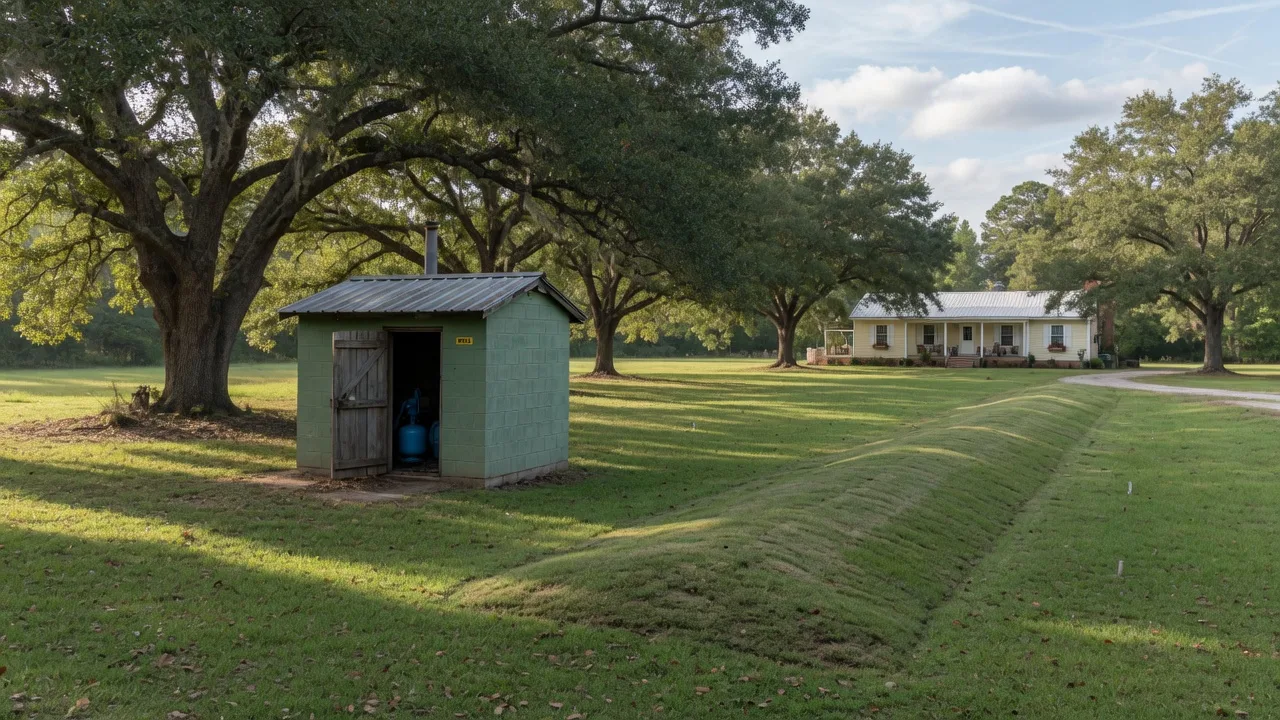
If you are looking at acreage in Aiken County, chances are the home won't be hooked up to city water and sewer. Instead, it will have a private well for water and a septic system for wastewater. For many buyers, that is new territory. Here is what you need to know to feel confident about homes that run on wells and septic.
The CSRA has plenty of beautiful acreage properties, horse farms, and rural homes where private wells and septic systems are the standard. Understanding how they work takes the mystery out of the equation and helps you evaluate a property with confidence.
Why Wells and Septic Are Common on Aiken Acreage
Outside city limits in Aiken County, public water and sewer lines often are not available. The cost of running municipal services to every rural home would be prohibitive, so most acreage properties rely on their own private well and septic system instead.
This is completely normal. Well-managed systems work reliably for decades when they are properly installed, maintained, and inspected. Whether you are buying a small hobby farm, a horse property, or a large wooded tract, a private well and septic system is simply how rural living works in the CSRA.
Understanding how these systems function removes the mystery and helps you evaluate a property like an informed buyer. The goal is not to be an expert on well and septic mechanics — it is to know what questions to ask and what to expect.
How a Private Well Works
A private well taps into groundwater beneath the property. A pump brings that water up into the home's plumbing system, where it is used for drinking, cooking, bathing, and everything else. Most wells in Aiken County draw from aquifers — underground layers of rock and sand that hold water.
Water quality can vary from one property to the next, even within the same area. That is why water testing is so important. A lab test tells you exactly what is in the water — minerals, bacteria, pH levels, nitrates, and any other contaminants — so you know whether treatment is needed.
A typical well can serve a household for many years with proper maintenance. Key components include the well casing, the pump, and a pressure tank that maintains consistent water pressure throughout the home. Well depth and flow rate (measured in gallons per minute) vary by property and are important numbers to know before you buy.
How a Septic System Works
A septic system treats wastewater right on your own property. When you flush a toilet, run the dishwasher, or take a shower, the wastewater flows from the house into a septic tank — a large buried container typically made of concrete or fiberglass.
Inside the tank, solids settle to the bottom while lighter materials like grease float to the top. The liquid in the middle flows out to a drain field, also called a leach field, where it is slowly released into the soil. Naturally occurring bacteria in the ground treat the liquid before it returns to the groundwater.
The advantage of a septic system is that there is no city sewer bill. The trade-off is that the system is your responsibility to maintain. When a septic system is designed and installed correctly for the property's soil conditions, and maintained regularly, it can function well for decades.
What to Check When Buying a Property With a Well and Septic
When you find a property you are interested in, here are the key things to investigate before making your offer:
Well and septic checklist:
- Well flow rate and depth — Ask for the gallons per minute and the total depth of the well. A low flow rate may limit usage.
- Water quality test — Request a recent lab test covering coliform bacteria, nitrates, pH, and other common contaminants.
- Septic records — Ask for tank size, age, date of last pumping, and any repairs or modifications.
- Drain field location and condition — Know where the drain field is and whether it shows signs of problems.
- Permits and code compliance — Confirm the well and septic were permitted and installed to code.
- Professional inspection — Have a licensed well and septic contractor inspect both systems before closing.
Aiken County has specific regulations for wells and septic systems, and DHEC (South Carolina Department of Health and Environmental Control) oversees permits and records for these systems. Buyers can check with DHEC about existing permits and inspection records for a specific property. Inspections and water testing are always done by licensed professionals, and results vary by property.
Common Repairs and Maintenance
Like any home system, wells and septic need regular attention. The good news is that the maintenance is straightforward and mostly predictable.
Septic tanks are typically pumped every 3 to 5 years, depending on household size and usage. Pumping removes the accumulated solids that cannot break down naturally. A smaller household may need it less often, while a larger family may need it more frequently. It is best to ask a licensed septic professional for a recommendation based on your specific system and household.
What you put down the drain matters. Non-biodegradable items, grease, and harsh chemicals can damage the system. Keeping things like cooking oils, paint, and disposable wipes out of the drains helps the septic system function properly.
The drain field needs to be protected. Do not park vehicles on it, pave over it, or plant trees with deep root systems above it. The drain field depends on healthy soil to treat wastewater, and compaction or root intrusion can compromise its function.
Wells may need water conditioners, filtration systems, or softeners depending on the water quality in your area. Well pumps and pressure tanks eventually wear out after years of service and will need replacement. Some buyers choose to purchase a home warranty or well and septic coverage plan to help with unexpected repairs.
Costs to Plan For
Owning a home with a well and septic system comes with some costs that city utility users do not have. Here is what to expect:
- Septic pumping — A routine maintenance cost every few years. The exact cost depends on your location and tank size, but it is a manageable expense when planned for.
- Water quality testing — Inexpensive and worth doing regularly to ensure your water is safe and to monitor any changes over time.
- Well pump or pressure tank replacement — These components have a service life and will eventually need replacement. This is not a frequent expense, but it is worth planning for.
- Major septic repairs — Uncommon with good maintenance, but can be costly if the drain field fails or the tank needs replacement.
These costs should factor into your budget as an acreage homeowner. They are not a reason to avoid rural properties — they are simply part of the responsibility that comes with the privacy and space that acreage living offers.
Red Flags to Watch For
When touring a property with a well and septic system, keep an eye out for these warning signs. They do not necessarily mean the property is a dealbreaker, but they are worth investigating further:
Sewage odor near the house or yard
Could indicate a septic system issue that needs professional evaluation.
Slow drains or gurgling sounds
May signal a blockage, full tank, or drain field issue that should be inspected.
Soggy ground or unusually green grass over the drain field
Can indicate the drain field is not properly absorbing wastewater.
Low water pressure or sputtering faucets
Could point to a well pump issue, pressure tank problem, or other plumbing concern.
Heavily stained water, odd taste, or smell
Water quality should be tested by a certified lab to identify the cause.
Missing permits or records
A lack of documentation for the well or septic system makes a professional inspection even more important.
The Bottom Line
Wells and septic systems are nothing to be afraid of — they are simply how rural living works. Thousands of homeowners in Aiken County use private wells and septic systems every day without issue. The key is going in with your eyes open.
A proper inspection by a licensed well and septic professional, combined with a water quality test from a certified lab, tells you almost everything you need to know about the condition of both systems. Ask the right questions, budget for routine maintenance, and treat the system well, and it will serve you for years.
On acreage in Aiken, a good well and septic system can serve you for decades. Understanding them now means you will be a confident, informed buyer when the right property comes along.
Key Takeaways
- Private wells and septic systems are normal for acreage properties in Aiken County. They work reliably when properly maintained.
- Always request a water quality test and well flow rate before buying. A certified lab test gives you the facts about your water supply.
- Have a licensed septic professional inspect the system. They can evaluate the tank, drain field, and overall condition.
- Budget for routine maintenance. Septic pumping every few years and periodic water testing are normal costs of acreage ownership.
- DHEC regulates wells and septic systems in South Carolina. Buyers can check with DHEC about permits and records for a specific property.
Looking at Acreage in Aiken County?
Fill out the form below and I'll help you find a property with a well and septic system that fits your needs. I have helped buyers across Aiken, North Augusta, and Augusta evaluate acreage properties for more than 20 years, and I know what to look for.
Linda Limehouse
First AI-Certified Realtor® | Meybohm Real Estate
SC License: 67440 · GA License: 323267
Reviewed by Linda Limehouse, REALTOR® — Licensed in South Carolina and Georgia — More than 20 years of CSRA real estate experience