

Linda Limehouse
AI-Certified Realtor® · Meybohm Real Estate
Aiken SC · North Augusta SC · Augusta GA
New Construction in North Augusta — What They Don't Tell You
North Augusta SC New Construction Buyers Builder Homes CSRA
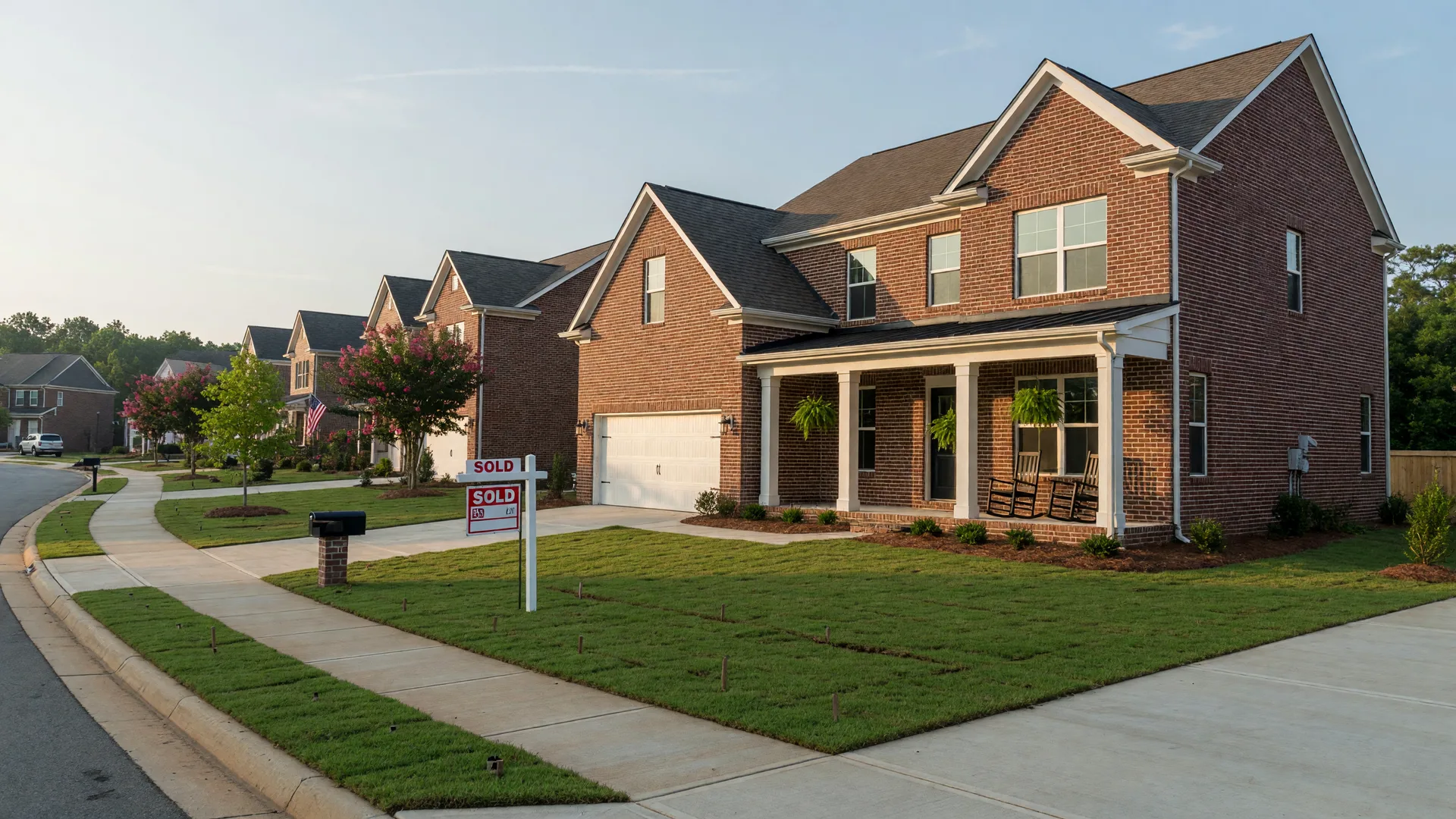
New construction is exciting. A brand-new home, no repairs, everything fresh. You get to pick the finishes, choose the floor plan, and be the first person to live in a space that was built for you. But along with the excitement come some things buyers don't always expect.
As a REALTOR who has guided many buyers through North Augusta new builds, I have seen the same surprises come up again and again. Some are manageable. Others can cost you thousands of dollars if you aren't prepared. Here is what they don't tell you — and what I wish every buyer knew before signing.
Key Takeaways
- The base price on a new build is just the starting point — upgrades and lot premiums can add significantly to the final cost.
- Builder timelines are estimates, not guarantees. Build some float into your moving plan.
- Independent inspections still matter on a brand-new home — don't skip them.
- Property taxes on new builds are often reassessed after completion, which can raise your monthly payment.
- Having your own buyer's agent protects your interests — and it typically costs you nothing extra.
The Price Sheet Isn't the Whole Story
The first surprise many buyers encounter is the gap between the base price and the actual cost of the home they want. The base price you see on the builder's website or in the brochure is for the base home — the standard model with builder-grade finishes. That is a very specific version of the house.
Upgrades add up quickly. Flooring upgrades, cabinet upgrades, upgraded countertops, bathroom tile, light fixtures, and plumbing fixtures are common choices most buyers make. Then there are structural options: an extra bedroom, a covered patio, a sunroom, or a finished basement. Lot premiums can add tens of thousands of dollars on top of all that.
Builders often market a "from" price that reflects the most basic configuration — and the lowest-cost lot. The model home you tour almost always includes upgrades that are not part of the base price. That model is aspirational, not the starting price.
Ask for an itemized breakdown of every cost before you commit. A good builder will provide a detailed price sheet that shows the base price, each upgrade or option, and the lot premium. If anything feels vague, ask for clarification. The goal is to know the real price before you fall in love with a home you can't afford.
The Lot Matters as Much as the Home
When you buy new construction, you are buying two things at once: a house and a piece of land. The lot you choose affects your price, your privacy, your view, and your daily life.
Builders assign different premiums to different lots. A corner lot, a lot backing to green space, a cul-de-sac lot, or a lot with a water view can carry a significantly higher premium than a standard interior lot. The premium is added directly to the purchase price, and it is not always negotiable.
Before you lock in a lot, check its location on the community site plan. Is it near a busy road or a future phase that might bring construction noise for years? Does the lot have any drainage or flooding concerns? What about HOA rules regarding fences, landscaping, and exterior changes?
Also keep in mind: what the neighborhood looks like today may be very different from what is built next door in a few years. If vacant lots surround you, there is no guarantee what will go there. Ask the builder about their long-term plans for the development, and check whether the HOA has architectural standards that will protect your property's value over time.
Builder Timeline vs. Real Timeline
The estimated completion date your builder gives you is exactly that — an estimate, not a promise. Weather delays, permit delays, inspection hold-ups, subcontractor scheduling, and supply chain hiccups can all push your closing date weeks or even months past the original projection.
This matters most if you are selling your current home in coordination with your new build. If your current home closes before the new one is ready, you could end up in temporary housing — with your belongings in storage and an extra moving expense — while you wait for construction to finish.
Build some float into your timeline. If the builder says six months, plan for eight. If you are coming from a rental, consider a month-to-month extension option. If you are selling, talk to your agent about adding a lease-back clause or scheduling the closing with a buffer.
Also ask the builder directly: what happens if construction runs long? Does the contract include any penalty or compensation for the builder, or any protection for you? Get the answer in writing. Some contracts are heavily weighted in the builder's favor on timing, and knowing that upfront helps you plan.
Inspections Matter on a New Home Too
A common assumption among new-construction buyers is that a brand-new home does not need an inspection. That assumption can be expensive. New homes are built by human beings working under tight schedules, and mistakes happen. Plumbing can be misrouted, electrical connections can be loose, HVAC systems can be improperly sized or installed, and foundation work can have issues that are invisible to the untrained eye.
A professional, independent home inspector — someone who works for you, not the builder — can catch these issues before you close. Schedule at least two inspections: a pre-drywall inspection when the framing, plumbing, and electrical are visible but not yet covered, and a final inspection before closing. The pre-drywall inspection is especially valuable because it lets you see the bones of the house before they are sealed behind sheetrock.
Some builders may resist or discourage independent inspections, but a reputable builder will welcome them. If your builder pushes back, consider that a red flag. Your agent can help you find a licensed inspector who is experienced with new construction and knows what to look for.
Taxes and HOA Fees Are Often Estimates
One of the most common surprises after closing on a new build is the property tax bill. During the first year of ownership, the taxes on a newly constructed home are often based on the unimproved land value — the value of the empty lot before the house was built. That initial tax bill looks deceptively low.
Once the county assessor reassesses the property after construction is complete, the taxable value jumps to reflect the finished home. The result can be a significantly higher tax bill in the second year. How much higher depends on your county's reassessment cycle and how the jurisdiction handles new construction. In some areas of the CSRA, the reassessment can arrive in the first year; in others, it may come after a year or two.
Budget for property taxes that may increase after reassessment. Ask your builder or your agent what current homeowners in the community are paying after reassessment, and use that number — not the first-year land-value estimate — when calculating your monthly payment.
HOA fees in new communities can also be listed as estimates. The developer may set initial fees low to attract buyers, but once the homeowners association is turned over to the residents, the board may raise fees to cover actual operating costs, reserves, and maintenance. Read the HOA documents carefully before you buy, and ask whether the fee has changed in similar nearby communities over the past few years.
Warranties Have Fine Print
Most new homes come with a builder warranty, but not all warranties are created equal. Understanding exactly what is covered — and what is not — is essential before you close.
Builder warranties typically have three tiers of coverage. A structural warranty (often 10 years) covers major structural defects like foundation issues or load-bearing wall problems. A systems warranty (typically 1 to 2 years) covers mechanical systems like HVAC, electrical, and plumbing. A workmanship warranty (usually 1 year) covers cosmetic issues like drywall cracks, nail pops, and trim gaps.
What is not covered can be just as important. Warranties often exclude landscaping, driveways, sidewalks, appliances, flooring, paint, and damage caused by settling, normal wear, or improper maintenance. Some builders require you to follow a specific maintenance schedule (like caulking windows or sealing grout) to keep the warranty valid.
Know the process for making a warranty claim. Who do you contact? What is the response time? What happens if the builder disputes the claim? Get the full warranty document in writing before closing, and read it carefully. Your agent can help you understand the terms and flag anything that looks unusual.
You Often Need Your Own Realtor
The builder's sales representative works for the builder. They are knowledgeable, helpful, and often very good at what they do — but their job is to represent the builder's interests, not yours. Having your own buyer's agent changes the dynamic in your favor.
A buyer's agent can help you compare builders, negotiate upgrades, review the builder contract, coordinate inspections, and make sure the process goes smoothly from start to finish. They can flag contract terms that favor the builder, help you understand the fine print in the warranty, and advocate for you if issues come up after closing.
One critical detail: register your agent before your first visit to the builder's sales office. Builders often have a policy that they will only honor buyer's agent representation if the agent accompanies you on the first visit or is registered before you tour. If you visit a builder's model home on your own and sign in without an agent, you may forfeit the ability to have your agent represent you on that property. This is one of the most common mistakes new-construction buyers make.
The good news: having your own agent typically costs you nothing extra, because the builder pays the buyer's agent commission from the sale. You get professional representation at no direct cost to you. That is a deal worth taking.
The Bottom Line
New construction can be a wonderful experience when you go in informed. A brand-new home with modern finishes, energy-efficient systems, and a builder warranty is an appealing option for many buyers in North Augusta and the CSRA. The key is knowing what to watch for.
Know the real price — not just the base price, but the total after upgrades and lot premium. Know the real timeline, and build float into your moving plan. Know the real lot, including what surrounds it and what may be built next door. Don't skip your own inspections. Budget for property tax reassessment and HOA fee changes. Read the warranty carefully. And bring your own Realtor to protect your interests.
With the right preparation, a North Augusta new build can be the start of something great. With the wrong approach, it can become a source of stress and unexpected cost. I have walked dozens of buyers through this process, and the ones who come out happiest are the ones who went in with their eyes open.
Linda Limehouse | First AI-Certified Realtor® | Meybohm Real Estate
Thinking About Building or Buying New Construction in North Augusta?
Fill out the form below and I'll help you navigate the process — from choosing the right builder to reviewing the contract and coordinating inspections. No pressure, just honest local guidance from someone who has done this many times before.
Linda Limehouse
First AI-Certified Realtor® | Meybohm Real Estate
Licensed in SC: 67440, GA: 323267 · Serving SC & GA
Serving Aiken, North Augusta, Augusta, and the greater CSRA.
Reviewed by Linda Limehouse, REALTOR® — Licensed in South Carolina and Georgia · More than 20 years of CSRA real estate experience.