

Linda Limehouse
AI-Certified Realtor · Meybohm Real Estate
Aiken SC · North Augusta SC · Augusta GA
Flood Zone Reality Check: What River-Adjacent Augusta & North Augusta Buyers Need to Know
Augusta GA North Augusta SC Savannah River Flood Zones Flood Insurance Riverfront Living Home Buying Tips CSRA
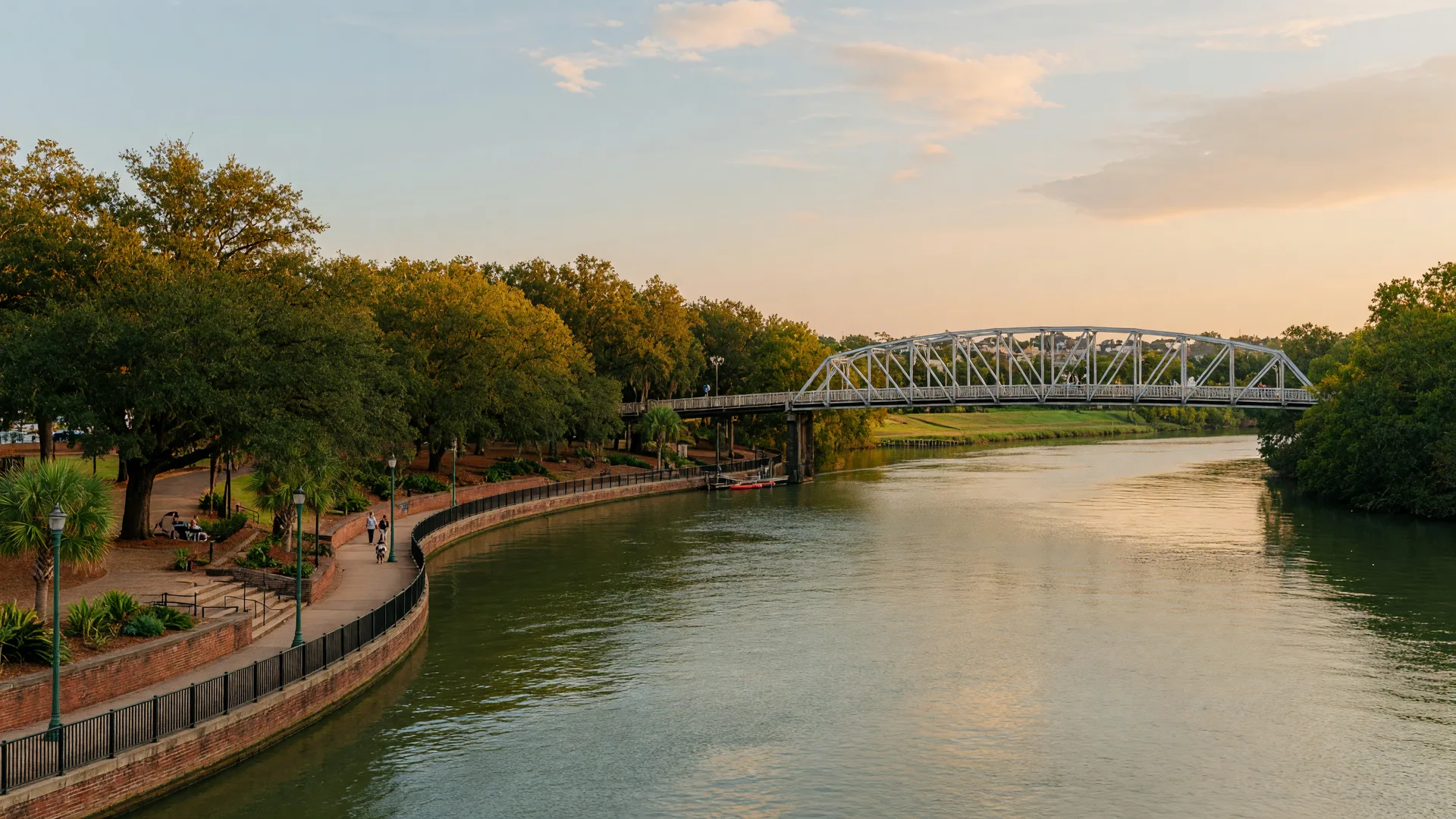
Homes along the Savannah River in Augusta and North Augusta have undeniable appeal: river views, proximity to the riverwalk and parks, and a lifestyle that is hard to beat. But living near the river comes with a question every buyer needs to ask: is this home in a flood zone? Here is what you need to know before you fall in love with a river-adjacent property.
The goal of this guide is simple. I want you to understand what flood zones are, why they matter, and exactly how to check a property before you make an offer. With the right information in hand, you can enjoy everything river living offers with your eyes wide open.
Key Takeaways
- Flood zones are mapped areas with defined levels of flood risk, and FEMA publishes those maps for communities across the country.
- High-risk zones (often labeled A or V) typically require flood insurance for federally backed mortgages, and flood insurance is a separate policy from homeowner's insurance.
- You can check a property's official designation on FEMA's Flood Map Service Center, and your agent, lender, and insurance agent can confirm it for the specific address.
- Flood maps change over time, so verify the current designation for the exact property rather than relying on what you heard or what the seller believes.
- A flood zone does not make a home a bad buy. It makes it a different buy, and the right preparation makes the whole picture manageable.
Table of Contents
What Is a Flood Zone?
A flood zone is a mapped area with a defined level of flood risk. The Federal Emergency Management Agency, FEMA, maps these zones for communities across the country, and those maps are the starting point for almost every flood-related decision a buyer makes.
High-risk zones, often labeled with letters like A or V, have a higher chance of flooding and typically require flood insurance for federally backed mortgages. Moderate- and low-risk zones, often labeled with letters like B, C, or X, carry less risk on the map, but flooding can still happen there. In either case, the zone on the map is what drives insurance requirements and costs.
One important note: flood maps are living documents. They are updated as landscapes change, flood control projects are built, and new data becomes available. A property that was outside a mapped high-risk zone ten years ago could sit inside one today, and the reverse is possible too. That is why the current map for the specific address matters more than any general impression of the neighborhood.
Why Flood Zones Matter for Buyers
If a home sits in a high-risk flood zone, lenders usually require flood insurance before they will fund the loan. That requirement is not optional for most buyers, because it comes from the lender's obligations under federally backed mortgage programs.
Flood insurance is a separate policy from homeowner's insurance, and it can add a meaningful amount to your monthly housing cost. The premium depends on the property's zone, elevation, and other factors, which is why getting an actual quote matters more than guessing from a map alone.
Even in lower-risk zones, many owners choose flood coverage for peace of mind. River systems can rise during heavy extended rain, and a house outside the mapped high-risk area is not a guarantee it can never be touched by water.
Your exact zone also affects your options and your resale audience. Some buyers will happily take on the insurance cost for river views, while others will simply filter the home out of their search. Knowing the designation up front lets you price your budget realistically and think about the property the same way a future buyer will.
How to Find Out If a Property Is in a Flood Zone
Finding a property's flood zone status does not require a specialist, just the right steps:
- Ask your agent and lender about the property's flood zone status. These are questions they have handled many times, and they can point you to the right information quickly.
- Check FEMA's Flood Map Service Center for the official flood maps. You can search by address and view the current designation for the exact property.
- Look for the flood determination in the property's title work or on the survey. It is often already documented there.
- Talk to an insurance agent for a quote and zone confirmation. They write these policies every day and can tell you the practical impact on your premium.
- Do not rely on memory or what the seller told you. Check the maps for the specific address, and verify the designation is current.
This whole process takes an afternoon at most, and it is worth doing before you fall too far in love with a property. The flood determination is a fact about the house, and facts are easiest to handle early in the process.
What Flood Insurance Covers
Flood insurance protects the building and its contents from flood damage. It is a federal program, the National Flood Insurance Program, administered through private insurers, and it exists specifically because standard homeowner's policies do not cover flooding.
Policies have limits, and building coverage and contents coverage are separate. That means the amount protecting the structure is distinct from the amount protecting your furniture and belongings, and each has its own limit. If you want higher coverage, that is a conversation for your insurance agent.
There is typically a waiting period before a new policy takes effect, so this is not something you can finalize the week of closing and expect instant protection. Buyers who start the conversation early avoid that gap.
It is also worth understanding the boundary of any policy. Flood insurance covers flood losses, while a homeowner's policy covers other water damage from causes like burst pipes or roof leaks. The two policies work together, and knowing which is which helps you make an informed decision rather than assuming coverage exists.
The River Lifestyle Isn't Just Flood Zones
River-adjacent living includes considerations beyond flood risk, and the best buyers think about the whole picture, not just the map.
Understand what the levees, dikes, or river management systems in the area do, and just as importantly, what they do not do. Flood control structures reduce risk in certain conditions, but no structure offers an absolute guarantee.
Know the local evacuation routes and emergency plans. These are everyday practical details that matter when a big weather system moves through the region.
Review the property's actual elevation and history, if available. A home built up on higher ground can behave very differently from one sitting low near the water, even within the same neighborhood.
Enjoying the river means planning for it, including what happens when it rises. The families who love river living the most tend to be the ones who understood the full picture before they bought.
Questions to Ask Before You Offer
Before you write an offer on a river-adjacent home, sit down with your agent, your lender, and an insurance agent, and work through these questions:
- What flood zone is this property in, exactly?
- Is flood insurance required by my lender?
- What would flood insurance cost for this property?
- Has this property ever flooded? Are there records?
- Are there mitigation measures in place, such as elevation, flood vents, or barriers?
- Does the flood determination match what the seller and agents believed?
There are no bad questions here. The goal is simply to remove surprises from the transaction, and every one of these answers helps you decide with confidence.
The Bottom Line
A flood zone does not make a home a bad buy. It makes it a different buy. The question is whether you can comfortably carry the insurance and the risk alongside everything else the home offers.
For many buyers, river-adjacent living is worth it, with eyes wide open. River views, the riverwalk, and the parks along the Savannah are genuinely special, and plenty of buyers happily weigh the trade-offs and move forward.
Get the mapping, get the quote, and get the facts before you commit. Flood maps change, so verify the current designation for the specific address with FEMA and your insurance agent as part of your normal due diligence, not as an afterthought.
Linda Limehouse | First AI-Certified Realtor® | Meybohm Real Estate
Looking at a Home Near the River?
Looking at a home near the river in Augusta or North Augusta? Fill out the form below and I will help you understand the full picture, flood zones included.
Linda Limehouse
First AI-Certified Realtor® | Meybohm Real Estate
Licensed in SC & GA
Serving Aiken, North Augusta, Augusta, and the greater CSRA.
Frequently Asked Questions
Is flood insurance required for every home near the Savannah River?
No. If a home is in a high-risk flood zone (often labeled with letters like A or V) and you are using a federally backed mortgage, your lender is typically required to have flood insurance in place. Homes in moderate- or low-risk zones (often labeled B, C, or X) may not trigger a lender requirement, but flood insurance is often still available and worth considering. The exact requirement depends on the property's current flood map designation, so verify the specific address with your lender and an insurance agent.
How do I check a property's flood zone before I make an offer?
Start with FEMA's Flood Map Service Center, which publishes the official flood maps for the exact address. Your agent and lender can also help pull the property's flood determination, and it is often noted in the title work or on the survey. For a quote and confirmation of the designation, talk to a licensed insurance agent who writes flood coverage. Flood maps change over time, so always check the current designation for the specific property rather than relying on what a neighbor or seller remembers.
Does homeowner's insurance cover flood damage?
No. A standard homeowner's policy generally excludes flood damage. Flood coverage is a separate policy, most commonly through the National Flood Insurance Program (NFIP), which is administered through participating private insurers. The policy separates building coverage from contents coverage, and there is typically a waiting period before a new policy takes effect, so it is worth planning ahead rather than waiting until closing.
Does living in a flood zone mean I should not buy the home?
Not at all. A flood zone makes a home a different buy, not automatically a bad one. Many river-adjacent homes are sound purchases with strong lifestyle appeal. The key is to know the zone, understand the insurance cost, review the property's elevation and history where available, and decide whether you can comfortably carry both the premium and the risk. Get the mapping, get a quote, and get the facts before you commit.
Reviewed by Linda Limehouse, REALTOR® · Licensed in South Carolina and Georgia · More than 20 years of CSRA real estate experience