

Linda Limehouse
AI-Certified Realtor® · Meybohm Real Estate
Aiken SC · North Augusta SC · Augusta GA
Aiken, SC: How Much Home Can You Afford This Week?
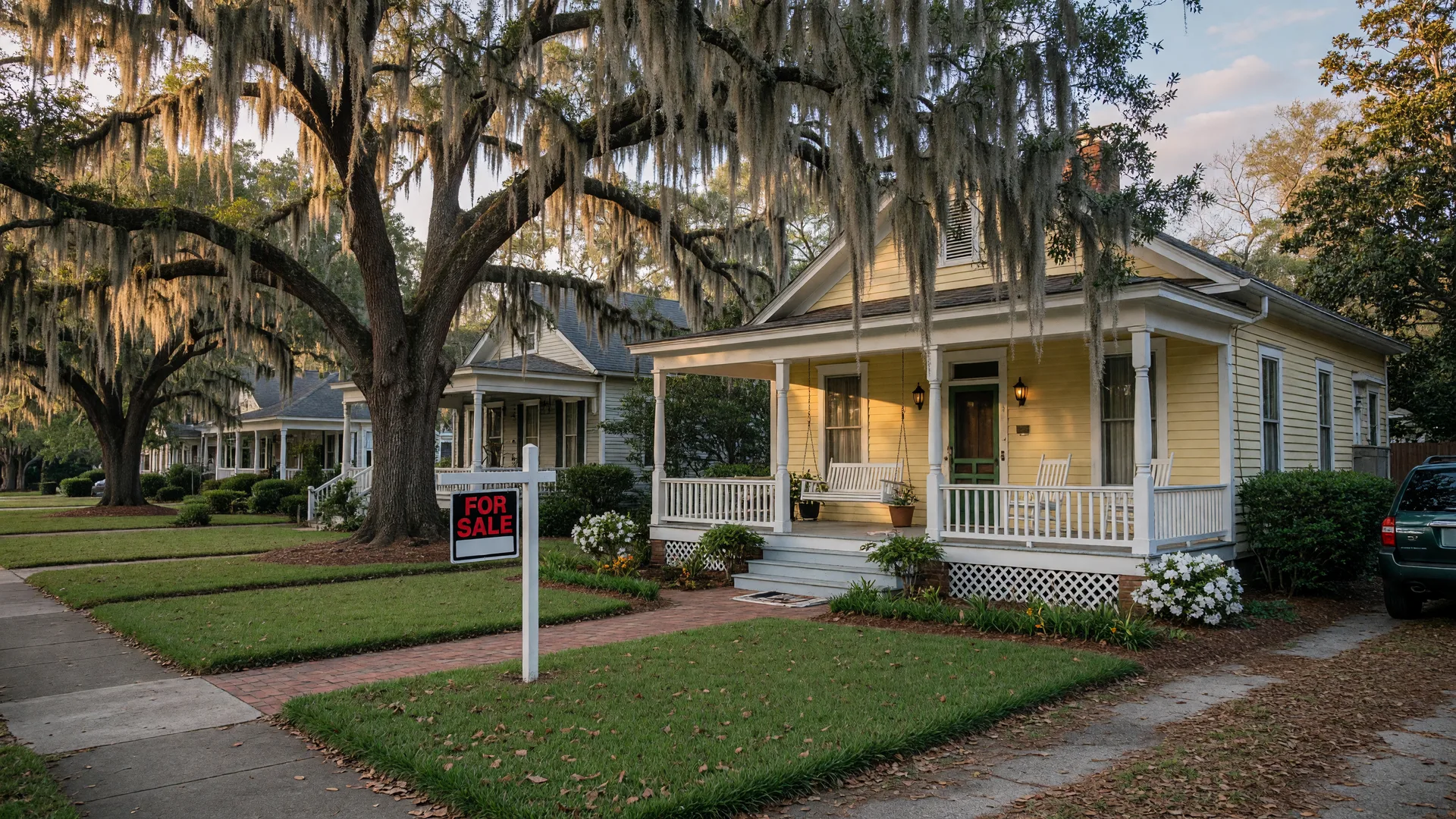
Buying a home starts with knowing your budget. Before you fall in love with a property, it is important to understand what you can actually afford. Here is a practical guide to figuring out your home buying budget in Aiken, SC.
The Quick Formula: The 28/36 Rule
Lenders use a standard guideline called the 28/36 rule to determine how much you can borrow. It is a simple framework that helps you estimate your home buying budget before you ever speak to a lender.
The first number means your total monthly housing costs should not exceed 28% of your gross monthly income. The second number means your total monthly debt payments including your housing costs, car payments, student loans, and credit card minimums should stay under 36% of your gross monthly income.
Here is how it works with a real example. If you earn $5,000 per month before taxes, your housing payment should be around $1,400 or less. That $1,400 includes principal, interest, taxes, and insurance, commonly referred to as PITI. The same $5,000 monthly income means your total debt payments across all obligations should stay below $1,800.
This rule is a starting point, not a hard limit. Some loan programs allow higher ratios depending on your credit profile, down payment, and other factors. A lender can help you understand where you stand.
What Actually Goes Into Your Monthly Payment
Your monthly mortgage payment is not just the loan amount divided by the number of months. Several components make up that number, and understanding each one helps you avoid surprises.
- Principal: The amount you borrowed to buy the home. Each payment reduces this balance over time.
- Interest: What the lender charges you for borrowing the money. Interest rates change frequently and vary by lender and loan program.
- Property taxes: Aiken County sets property tax rates based on the assessed value of your home. Rates can change and vary depending on the property classification and any applicable exemptions. A local tax assessor's office can provide current information.
- Homeowner's insurance: All lenders require you to insure the property against damage. Rates depend on the home's location, age, and coverage level.
- Private Mortgage Insurance (PMI): Required when you put less than 20% down on a conventional loan. PMI protects the lender and adds to your monthly payment. It drops off once you reach 20% equity.
- HOA fees: Some Aiken neighborhoods have homeowners associations with monthly or annual fees. These cover common area maintenance, amenities, and sometimes insurance. Not all homes in Aiken have HOA fees, but it is important to ask.
Do not forget the costs that are not in your monthly mortgage payment. Maintenance, utilities, and repairs are real expenses that come with homeownership. Setting aside 1% to 2% of the home's value per year for maintenance is a common recommendation.
How Your Down Payment Affects Affordability
The size of your down payment directly affects your monthly payment and the total cost of your loan. A larger down payment means you borrow less, which lowers your monthly payment and reduces the interest you pay over the life of the loan.
Putting 20% down eliminates the need for Private Mortgage Insurance, which can save you hundreds of dollars per month. If 20% is not realistic for you right now, you are not alone. Many buyers put down less.
Conventional loans allow down payments as low as 3% for qualified buyers. FHA loans require 3.5% down with a qualifying credit score. VA loans for eligible military buyers and USDA loans for qualifying rural properties may require no down payment at all.
South Carolina offers first-time home buyer assistance programs that provide down payment help and favorable loan terms. Eligibility requirements and funding availability change over time, so it is worth asking your lender or a local housing counselor about current options.
What Lenders Look at When Approving You
Mortgage lenders review several factors to determine whether to approve your loan and at what rate. Understanding what they look for helps you prepare.
- Credit score: Conventional loans typically require a credit score of 620 or higher. FHA loans may accept scores as low as 580 with a 3.5% down payment. Higher scores generally qualify for better interest rates.
- Debt-to-income ratio: The 28/36 rule is the standard guideline, though some programs allow slightly higher ratios with compensating factors.
- Employment history: Lenders look for stable, verifiable income. Two years of consistent employment in the same field is generally viewed favorably. Self-employed buyers may need to provide additional documentation.
- Down payment source: Lenders need to verify where your down payment funds come from. Gift funds from family members are allowed with a documented letter. Large deposits from non-payroll sources require explanation.
Getting pre-approved before you start shopping gives you a clear budget and shows sellers you are a serious buyer. In desirable Aiken neighborhoods, homes that are priced well often receive multiple offers. A pre-approval letter helps your offer stand out.
Getting Pre-Approved: Your First Step
Pre-approval is not the same as pre-qualification. Pre-qualification is a quick estimate based on information you provide. Pre-approval involves a lender reviewing your income, assets, credit, and debt to issue a conditional commitment for a specific loan amount.
A pre-approval letter tells you exactly how much you can borrow and at what terms. It gives you a realistic budget that homes are within your reach. It also strengthens your position when you make an offer because the seller knows you have already been vetted by a lender.
I recommend shopping multiple lenders. Rates, fees, and terms vary, and comparing options can save you thousands over the life of your loan. Local options in the CSRA include credit unions, community banks, and mortgage brokers who know the Aiken market. Pre-approval letters are typically valid for 60 to 90 days, depending on the lender.
Hidden Costs First-Time Buyers Forget
Even experienced buyers sometimes overlook costs beyond the purchase price and down payment. Here are the ones I remind every buyer to plan for:
- Closing costs: Typically 2% to 5% of the purchase price. These include loan origination fees, title insurance, attorney fees, appraisal, credit report fees, and prepaid expenses like property taxes and homeowners insurance.
- Home inspection: A thorough inspection by a licensed professional usually costs between $300 and $500, depending on the size of the home. This is one of the most important investments you will make as a buyer.
- Appraisal fee: Your lender requires an appraisal to confirm the home is worth the purchase price. Expect to pay $300 to $500.
- Moving expenses: Whether you hire movers or rent a truck, moving costs add up. Get quotes early so you can budget.
- Immediate repairs or upgrades: Most homes need something after closing, even if it is minor. A new appliance, a fresh coat of paint, or a small repair can cost more than expected.
- Furniture and household items: A larger home often means you need more furniture, window coverings, and basic household supplies. These costs are easy to overlook.
I always recommend keeping an emergency fund after closing. Unexpected repairs happen, and having a financial cushion protects your peace of mind and your investment.
Linda's Local Insight
One of the most common conversations I have with buyers in Aiken is about the gap between what they think they can afford and what they actually qualify for. The online calculators give you a rough estimate, but a real conversation with a local lender who knows the CSRA market is the only way to get numbers you can trust.
I have seen buyers rule out homes they loved because they assumed a price was out of reach. When they sat down with a lender and looked at the real numbers, they were often surprised at what was possible. The reverse is also true. Some buyers stretched their budget only to realize later that taxes, insurance, and maintenance made the payment tighter than expected.
That is why I encourage every buyer to start with a pre-approval conversation before worrying about specific homes. The numbers give you confidence. And in a market like Aiken, where prices range from starter homes to luxury estates and horse properties, knowing your number is the most powerful tool you can have.
The Aiken Market at Different Price Points
Aiken offers a wide range of price points from starter homes to luxury properties. What you can buy in Aiken depends on your budget, your lifestyle preferences, and the neighborhood that fits your needs.
The market varies significantly by neighborhood and property type. Established neighborhoods near downtown Aiken tend to have different price dynamics than newer subdivisions on the outskirts. Horse properties and acreage tend to be priced differently than neighborhood homes because the land and improvements require different considerations.
New construction options are available in several areas of Aiken, with prices that vary by builder, lot size, and included features. School districts, drive times, and proximity to amenities all affect pricing. A local agent who knows the Aiken market can help you understand what your budget will buy in different parts of town.
Affordability Tools and Next Steps
Online mortgage calculators can give you a rough estimate of what your monthly payment might look like based on different loan amounts, interest rates, and down payments. They are a helpful starting point for getting your head around the numbers.
A mortgage lender can give you precise numbers based on your actual financial situation, credit profile, and the current rates available. This is the step that turns estimates into real numbers you can plan around.
Do not forget to factor in South Carolina property taxes and insurance costs specific to the Aiken area. These vary by location and property type, and a local lender or agent can help you estimate them for the neighborhoods you are considering.
Your real estate agent can help you understand what homes in your price range actually look like in Aiken. The same budget can buy very different homes depending on the neighborhood, the age of the property, and the lot size. A local agent who shows homes regularly will know what is realistic.
Knowing your budget before you start looking saves time, reduces stress, and helps you make confident decisions. Start with getting pre-approved, then work with a local agent who knows the Aiken market. From there, everything else falls into place.
Explore More
These resources can help you continue your home buying journey in Aiken and the CSRA:
- Getting Your Finances Ready to Buy a Home in the CSRA — Practical steps for credit, down payments, and pre-approval.
- First-Time Home Buyer Guide — Step-by-step advice from pre-approval through closing.
- How to Make a Confident Offer in the CSRA — Compete with confidence in today's market.
- Understanding Closing Costs — What to expect at the closing table.
- Buyer Resources — Tools and guides for Aiken home buyers.
- Contact Linda — Let's talk about your home buying goals.
Want to Know What Homes in Your Budget Look Like in Aiken?
Fill out the form below and I will send you current listings that match your budget and preferences. No pressure, no obligation.
Linda Limehouse
First AI-Certified Realtor® | Meybohm Real Estate
Licensed in SC & GA
Serving Aiken, North Augusta, Augusta, and the greater CSRA.
Linda Limehouse | First AI-Certified Realtor®
Meybohm Real Estate · Aiken, SC
803-278-1800
Reviewed by Linda Limehouse, REALTOR® — Licensed in South Carolina and Georgia — More than 20 years of CSRA real estate experience